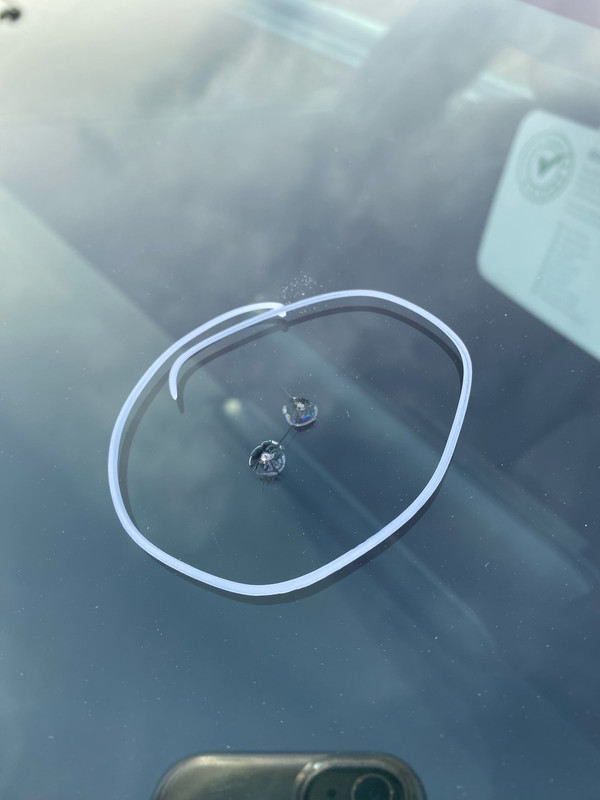
When a windshield cracks, you go through a short checklist in your head. Can I still see well enough to drive? Is this going to spread? How quickly can I get it fixed without losing a workday? The answer often lies in whether you can secure a same-day quote and schedule mobile windshield replacement. With the right approach, you can go from damage to done in a single afternoon, even if you start your search with a quick auto glass near me query on your phone at a gas station.
I’ve managed glass service operations, answered late-night quote calls, and ridden along on mobile jobs from grocery store parking lots to muddy construction sites. A same-day auto glass quote isn’t just the price of a windshield. It’s a small logistics puzzle involving parts availability, vehicle features, calibration needs, weather, and technician routes. If you understand how those parts fit, you can get a fair number fast and avoid surprises when the van pulls up.
What “same-day” really means
Same-day can mean two different things: a quote delivered that day, or service performed that day. Most reputable shops can quote you same-day, often within minutes, as long as they have basic vehicle details. Same-day replacement depends on parts availability, your location, tech capacity, and whether your vehicle needs ADAS calibration for things like lane-keeping cameras. If you call before mid-morning in a metro area, you stand a strong chance of both a quote and installation that day. Rural areas or vehicles with rain sensors, acoustic interlayers, or heads-up display glass can push the job to the next day because those windshields are stocked less frequently.
The simple rule I share with customers: quotes are almost always immediate, installs usually can be today if the glass is standard, and tomorrow if your car tech is fancier than average.
What shops need to quote you accurately
Every accurate auto glass quote starts with exact information. A surprising share of back-and-forth happens because of trim differences and invisible features hidden behind the mirror mount or in the glass interlayers. You can shortcut this by having a few details ready.
- Vehicle specifics: year, make, model, and trim. If you’re unsure of the trim, the 17-character VIN is better than any description. Safety features: lane departure warning camera, forward collision camera, rain sensor, heated wiper park, heads-up display, acoustic glass, solar tint. If you know any of these terms apply, say so. Damage description: size and location of the crack or chip, and whether the crack reaches the edge of the glass. Location and timing: your parking address for mobile service, any gate codes, and your time window. Insurance or self-pay: whether you plan to go through your insurer or pay cash. The path diverges here and it affects speed.
With those five pieces, a shop can pull the correct windshield part number, check cost and availability, and tell you within a few minutes whether a same-day installation window is realistic.
Insurance versus cash: the speed trade-offs
If your policy carries glass coverage or a low comprehensive deductible, insurance can soften the blow. It can also add steps. Direct-bill arrangements require a claim to be set up and validated. That process ranges from five minutes through a carrier’s app to half an hour on a three-way call with an adjuster. I’ve seen same-day installs stall because a customer assumed “glass is covered” and we discovered a $1,000 deductible after the tech was already dispatched.
Paying out of pocket simplifies everything. Most shops offer a competitive auto glass quote for cash customers, sometimes lower than the deductible. For common sedans, you might see quotes from 250 to 450 dollars installed without ADAS calibration. Modern SUVs with acoustic, heated, or HUD glass can run 500 to 1,200 dollars. Camera calibration adds 125 to 300 dollars if done static in-house or mobile with OEM-grade tools, and can be higher at dealer-only facilities.
If immediate replacement is the priority, tell the shop upfront whether you intend to self-pay or use insurance. That single detail often determines whether you get on the schedule today.
The hidden complexity of windshield part numbers
Two cars with the same badge and year can take different windshields. One trim has a rain sensor, another has both rain sensor and HUD, and a third is bare glass. Each variant has a distinct part number and price. Aftermarket catalogs have improved, but they’re still imperfect when it comes to mid-year changes and packages. This is where the VIN shines. A shop that runs your VIN through dealer EPCs or high-quality databases can pinpoint the exact part and avoid a mismatch. A wrong part means a wasted trip and an annoyed customer.
If a shop seems to hesitate, it may be because your vehicle sits in a gray zone. For example, some Mazda and Subaru cameras require specific bracket angles. A generic “fits all” glass can physically mount, but the camera won’t calibrate. When a service advisor asks about your mirror area, resist the urge to say “It’s just a mirror.” A quick photo of the upper-center windshield from the inside resolves ambiguity in seconds.
Mobile versus in-shop: price and precision
Mobile windshield replacement exists for convenience, but it must hit the same safety marks as in-shop work. Proper adhesion requires a clean, dry environment and correct urethane working times. On a warm dry day, a mobile install is ideal. During heavy rain or near-freezing temperatures, a shop bay offers better control. Most techs carry tents and primers to adapt, yet there are limits. If the forecast is sideways rain and temperatures in the 30s, mobile work may be delayed or shifted to a shop. It’s not the shop being difficult, it’s chemistry and safety.
Pricing rarely differs much between mobile and in-shop, though some shops waive a mobile fee only within certain zones. If you searched auto glass near me and see a banner for free mobile service, check the service radius. Rural addresses or toll-bridge routes can add a small surcharge to cover time and fuel.
How to spot a reliable same-day provider
Same-day availability draws in fly-by-night operators. I’ve reinstalled more than a few windshields for drivers who learned the hard way that an ultra-cheap deal can cost more in leaks, wind noise, or failed camera calibrations. A few fast checks protect you.
- Ask what urethane they use and the safe drive-away time. A pro can tell you the brand and the cure window at your temperature. Confirm they handle ADAS calibration in-house, via mobile targets, or with a partner dealer. Vague answers here are a red flag if your car has a camera. Request clarity on what’s included: moldings, clips, glass brand, disposal, tax, mobile fee, and calibration if applicable. Check whether they document pre-existing body damage around the pinch weld. Good techs note this to prevent disputes. Read a handful of recent reviews with specific references to your vehicle type or to successful calibrations, not just generic praise.
None of this takes more than five minutes over the phone. Competent shops answer crisply. If answers feel slippery, keep calling. In most metro areas, three to five calls will surface at least two shops worth trusting.
What affects your final windshield quote
Pricing is a function of part cost, labor time, materials, travel, and calibration. Geography matters. Coastal cities and remote areas see higher glass costs and longer lead times. Add-ons like heated wiper parks or acoustic layers push parts costs up. Some vehicles require new one-time-use moldings or clips. If the windshield frame has rust or previous adhesive left in thick ridges, labor goes up because the tech must clean and treat the area to ensure proper bonding.
The glass brand also matters. OEM-branded glass typically costs more, but high-quality aftermarket from reputable manufacturers often matches OEM specs for clarity and fit. Many customers split the difference: OEM for luxury models with sensitive HUD or camera systems, premium aftermarket for mainstream cars where the savings are meaningful and the performance difference is negligible.
From experience, a realistic cash auto glass quote range looks like this:
- Compact sedans with basic glass: 250 to 400 dollars installed. Mid-size sedans and small SUVs with rain sensor or solar acoustic: 350 to 700 dollars. Larger SUVs and premium brands with HUD or infrared coating: 700 to 1,400 dollars. Calibration, if needed: 125 to 300 dollars for static or dynamic in most markets, occasionally higher at dealer-only facilities.
When a quote comes in far below those bands, ask what’s missing. The most common omissions are tax, calibration, new moldings, or disposal fees. Transparency up front prevents surprise add-ons later.
Mobile installation day, without the stress
A smooth same-day install starts with preparation. Clear the dashboard and front seats. Remove parking passes or toll tags from the old glass if you want to reuse them. If your car uses dash cameras or aftermarket sensors stuck near the mirror, let the tech know before they start. Park in a space with room for the technician to open both front doors wide. In hot climates, try for shade; in cold, pick a wind-sheltered spot.
A good tech works in a deliberate rhythm: inspection, wiper and cowl removal, trim and molding care, cut-out, pinchweld prep, primer, urethane application, glass set, reassembly, cleanup, and system checks. On most vehicles, that takes 60 to 90 minutes. Add 20 to 40 minutes if the old glass has stubborn aftermarket tint strips or thick adhesive from a previous install. Safe drive-away time varies with the urethane’s chemistry and temperature. It can be 30 minutes on a warm day with high-modulus, fast-cure urethane, or several hours when it’s cold.
If your vehicle requires ADAS calibration, confirm whether it will be performed immediately after installation or later the same day. Dynamic calibrations often require a road drive at steady speed on clear lane markings. Static calibrations use targets and precise distances. Both need a stable battery voltage and correct ride height. If your trunk is loaded with paving stones or your tires are underinflated, calibration can fail. Those tiny details matter more than most people expect.
Edge cases that complicate same-day service
Not every job fits the same-day promise, even with the best planning. Specialty glass like European panoramic roofs with integrated shading, bonded quarter glass surrounded by Anderson mobile auto glass service trim that must be replaced, or RV windshields secured with unique gaskets can force a delay. Aftermarket body modifications that push the windshield slightly out of factory spec, common on off-road builds, create fit and leak challenges. Severe rust at the pinchweld also halts the job; adhesive doesn’t bond well to rust, and any shop that knows its liability will insist on repair before installing the new glass.
There is also the weather factor. Urethane cures by reacting with moisture in the air, but heavy rain contaminates bond lines and low temperatures slow chemistry to a crawl. You can sometimes perform a mobile install in poor weather using canopies, heaters, and primers designed for cold. Yet the risk of future leaks and longer safe drive-away times climbs. A trustworthy service advisor will explain the trade-off and may steer you to a shop bay. That’s not upselling, it’s protecting you.
How to leverage “auto glass near me” without wasting time
Local search is where most people start, and it’s useful if you read between the lines. Aggregators often display the same phone number under multiple names, all pointing to a central booking line that shuffles jobs to the next available contractor. This can work, but it reduces your visibility into who will arrive, what glass brand they’ll use, and how calibration gets handled. If consistent quality matters, consider a shop with its own vans and technicians. They usually have better control over parts, scheduling, and accountability.
At the same time, smaller independent operators can be excellent on service and price because they carry lower overhead. You get the best results by asking concise questions: what brand of glass will you install on my vehicle, do you handle camera calibration, and what is today’s earliest arrival window to my address? In three answers, you’ll know whether to proceed or keep calling.
Getting a fast windshield quote without calling five shops
You can shorten the quoting process by giving shops the information they would otherwise spend time extracting from you. That means the VIN, clear photos of the entire windshield from inside and outside, a close-up of the mirror area, and any label markings on the lower corners that hint at acoustic or solar layers. If you’re on the side of the road, even a quick snapshot helps. If the crack touches the edge, say so. Edge cracks have higher stress and often cannot be repaired safely. Shops hear “chip” for a lot of quarter-length fractures that aren’t chips at all; “six-inch crack from the passenger side edge” leads to a more precise answer.
When you submit online forms for a windshield quote, upload the photos rather than typing brand and model only. The quotes come back faster, more accurate, and include the correct add-ons, so your mobile appointment isn’t derailed by the wrong glass.
What happens after the install: calibrations, leaks, and warranties
A windshield replacement isn’t complete until any required systems are restored to spec. Many late-model cars will show a message in the dash cluster indicating front camera unavailable or lane assist disabled after glass replacement. That’s normal. Calibration clears those messages. If a dynamic calibration is scheduled, expect a 10 to 30 mile drive at steady highway speed. If your shop uses static targets, the vehicle may sit for an hour or two while a technician positions targets to millimeter specifications. Modern systems are sensitive; even a crooked steering wheel from a prior alignment issue can cause a calibration to fail.
As for leaks and noises, do a basic check the next time you drive at speed. A high-pitched whistle around the A-pillars suggests a gap in trim or a missing clip. Drips after rain can come from cowl misalignment or an under-cured urethane bead. Professional shops back their work with a warranty that covers workmanship and defects for as long as you own the vehicle. Keep the invoice and take photos if you spot an issue, then call promptly. Most problems are easy fixes when addressed quickly.
The real value of a same-day auto glass quote
Quick prices matter, but the biggest win is predictability. A clear auto glass quote, whether you call it a windshield quote or just a ballpark, should map your day: when the technician arrives, how long the vehicle sits before you can drive, whether calibration will be done on-site, and exactly what you owe. In practice, predictable service beats a slightly lower price that comes with loose ends. If you need to get your kids from school at 3:15, it helps more than any discount to know for certain you will be safely on the road by then.
Speed and quality do coexist. The trick is to do your part upfront, pick a shop that answers direct questions, and align on the details that sway timing: part number, calibration, weather, and location. If you cover those bases, same-day mobile auto glass replacement is not only possible, it’s routine.
A quick, practical plan to secure your same-day slot
- Gather your VIN, photos of the windshield and mirror area, and your preferred address and time window. Decide whether you’re paying cash or using insurance, and have the policy number ready if needed. Call or message two to three well-reviewed local shops, ask the same three questions about glass brand, calibration, and arrival times, and share your details once. Choose the provider that gives a transparent all-in quote and a firm window you can live with. Prep the vehicle space, remove dash clutter, confirm weather suitability with the shop, and keep your phone nearby in case the tech needs a gate code or parking instructions.
Follow that plan and your “auto glass near me” search turns into a confirmed appointment in under 30 minutes, with an install done before dinner.
Final notes on materials and safety that rarely get explained
Urethane is the unsung hero. It holds the windshield in place during airbag deployment and in rollover scenarios, so the choice of adhesive and surface prep is not trivial. A strong bond requires a clean, scuffed pinchweld, proper primer application where needed, and observance of minimum drive-away times at the day’s temperature and humidity. Experienced techs carry multiple urethane types to match conditions. If you sense a rush job, ask for the drive-away time and make sure it’s printed on your paperwork. The most common safety shortcut is driving away early because you’re late for a meeting. Five extra minutes on the curb can be the difference between a safe car and a compromised bond.
Glass clarity is another subtle point. HUD windshields have a laminated wedge or special PVB layer to prevent double images. Installing a non-HUD pane on a HUD car produces a ghosted display. Likewise, acoustic interlayers reduce cabin noise by a few decibels at highway speeds. If your commute is long, you’ll feel that difference. Small details like the tint band at the top of the glass or the exact frit pattern around the edges affect both aesthetics and sensor performance. OEM part numbers codify these details. High-end aftermarket can match them, but only if the shop orders the right variant.
Finally, camera calibration is not optional when the manufacturer requires it. Some vehicles self-calibrate after a short drive, many do not. A smart shop documents calibration results and provides a printout when available. If they tell you “the light will go away eventually,” ask for a scheduled calibration or choose a provider that treats calibration as a deliverable, not a hope.
The bottom line: you can secure an accurate same-day auto glass quote and a mobile windshield replacement without drama. Provide precise vehicle info, pick a shop that works clean and communicates clearly, and respect the few constraints that ensure safety and longevity. Do that, and the crack that ruined your morning becomes a solved problem by evening, with your car quiet, watertight, and camera systems happy again.