Windshield replacement seems straightforward from the customer side: a cracked pane out, a new one in, tape on the edges, and you are back on the road. What you do not see is the chemistry holding that glass in place, and how much your safety depends on giving that chemistry time to do its job. In my years working with High Point auto glass repair crews, I have seen perfect installs ruined by impatience, and I have also seen careful steps pay off when a vehicle rolls into a crash test bay and the glass stays exactly where it should. Curing time is not a suggestion. It is the difference between a windshield that acts like a structural panel and one that behaves like a loose lid.
This guide explains how curing works, why the time varies, what you should do after installation, and how local factors in the Triad affect the process. It also connects the dots with related services like Mobile auto glass High Point, Side window replacement High Point, and ADAS calibration High Point, so you know what to expect from a thorough, safety-first replacement.
What “curing” actually means
When a technician sets a new windshield, they apply a bead of urethane adhesive around the pinchweld. Once the glass is seated, that urethane begins to cure. Curing is a chemical reaction where moisture in the air and the substrate triggers the adhesive to crosslink and harden into a durable, rubber-like solid. It goes from a tacky paste to an elastomer with high tensile strength and peel resistance. At full cure, it can hold the windshield in place under crash loads, keep water out, and let the vehicle’s body flex without the glass popping loose.
Two milestones matter to you:
- Safe Drive-Away Time (SDAT), sometimes called minimum drive-away time. This is when the vehicle can be operated without risking glass movement during normal driving or an airbag deployment. You still need to treat the vehicle gently, but it is legal and reasonable to drive. Full cure. The adhesive reaches its designed mechanical strength, usually within 7 to 14 days depending on the product and conditions. At this point, heavy vibration, high-pressure washes, and strong body flexes are less of a concern.
Different adhesives set at different rates. Standard moisture-cure urethanes can reach SDAT in 60 to 180 minutes under mild Carolina weather. High-modulus, crash-tested urethanes designed for modern vehicles may cure to SDAT in as little as 30 to 60 minutes if the temperature and humidity are favorable. Fast is not always better, but the right urethane matched to the car’s requirements absolutely is.
Why curing time is a safety issue, not a convenience detail
Today’s windshield is part of the vehicle’s structure. It helps the roof resist crushing, acts as a backstop for passenger-side airbags, and contributes to the car’s overall stiffness. If the urethane has not set enough to anchor the glass, those systems can fail in a crash. I have seen footage of improperly cured windshields ejecting on airbag deployment. The bag pushes the glass out instead of using it as a cushion to protect the passenger. That is a terrifying split-second failure you can avoid by waiting long enough before driving and by choosing a shop that respects curing science.
Water intrusion is the other risk. If you hit a heavy rainstorm or a high-pressure wash too soon, the urethane bead can channel water into the cabin or along wiring harnesses, leading to mold, corrosion, and electrical gremlins. Rushing costs more than it saves.
The variables that change curing times
The adhesive manufacturer gives a chart. Technicians know it by heart. It looks like a weather report crossed with a lab notebook. Three conditions drive the numbers: temperature, humidity, and the adhesive type or lot.
Temperature. Urethanes cure faster when warm. In High Point, a sunny 85 degree afternoon in July can cut SDAT in half compared with a 45 degree morning in January. If it is below 40 degrees, many standard urethanes slow dramatically. Good shops adjust products or use controlled environments in cold snaps.
Humidity. Moisture cures urethane. Moderate humidity, 40 to 70 percent, is the sweet spot. Very dry air makes curing sluggish. The Triad often sits in a good range except during winter fronts. Side window replacement High Point Interior defrosters that blast dry air directly at the bond line can slow the cure, which is one reason techs suggest leaving HVAC off the glass for a while.
Adhesive formula and bead profile. Quick-cure urethanes with higher isocyanate content react faster. Thicker beads, deep channels, and wide gaps hold more material and can extend cure time a bit. The technician controls bead height and shape, but they still follow the product’s drive-away schedule.
Vehicle design also matters. Some cars specify high-modulus or non-conductive urethanes. Some require precise primer systems for aluminum or e-coated steel, or they carry extensive camera and radar hardware that adds weight near the glass. A seasoned installer in Windshield replacement High Point work will match the material to the vehicle’s crash and ADAS requirements, and that choice influences SDAT.
What you should expect on installation day
A good installer lays out the plan before pulling the old glass. You will hear about the adhesive, the estimated SDAT, and what to avoid for the next day or two. If this is a Mobile auto glass High Point appointment at your driveway or office lot, they will still control cleanliness, shield the work from wind and dust, and monitor temperature.
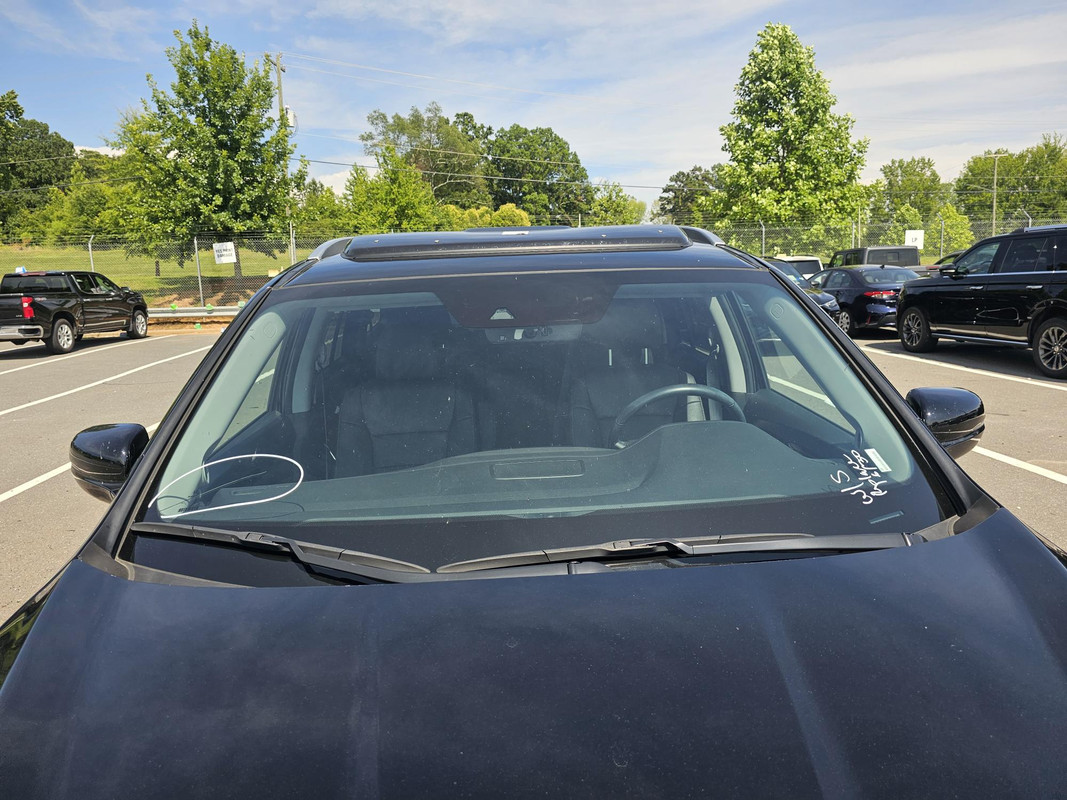
Here is the typical flow that I see done right:
- Pre-inspection, including any Advanced Driver Assistance Systems. If your car has a forward-facing camera behind the glass, the tech notes it for ADAS calibration High Point scheduling after the install. Removal with care. Cutting tools are kept precise to protect the pinchweld. Minor scratches get primed. Rust gets addressed, not concealed. Dry fit of the new windshield. They check positioning dowels, sensor brackets, and molding compatibility. Primer and urethane application. Talent shows here. A consistent, properly triangular bead avoids voids and ensures even compression. Set, centering, and light press-down. The glass meets the urethane once, not bounced or lifted and reset repeatedly. Molding, cowl, and wiper reassembly. Tapes may secure trim while everything beds in. Time stamp for SDAT. You should leave with the exact time when you may safely drive.
Insist on that SDAT. A shop that shrugs and says “You are fine right away” is cutting corners or guessing. Most quality adhesives give an SDAT in 30 to 180 minutes under normal Triad conditions. If the day is cold or extremely dry, they may extend it or ask to keep the vehicle in the bay longer.
Post-install care that actually matters
Once you drive away, you control the conditions. There is no need to baby the car for days, but a handful of habits help the urethane stabilize and seal.
- Leave a quarter inch gap in a window for the first day if temperatures swing. Cabin pressure changes from slamming doors can flex the fresh bead. Cracking a window softens the pressure waves. Avoid rough roads and door slams for the first 24 hours. The adhesive is still building strength. Think smooth and steady rather than crawling on eggshells. Skip high-pressure car washes for at least 48 hours. Gentle hand washing with low-flow water is fine after the first day, but blasting the edges is not. Do not peel the retention tape early. It is ugly in photos, I know. It is also helping trim stay in place and keep dust off the bead while it skins over. Keep defrosters aimed away from the top edge for the first day in winter. A heat gun on one area can dry the urethane skin unevenly.
Those are minor impositions compared with the payoff. Follow them and you drastically reduce callbacks, leaks, and squeaks.
High Point weather and its practical impact
In the Triad, we get heat, humidity, sudden summer downpours, and the occasional icy morning. That mix affects how technicians schedule and how long you should plan to wait.
Warm and humid days. The ideal for urethane. An installer might set a 60 minute SDAT, then advise another half hour before freeway speeds. If a thunderstorm is likely, they can tent the windshield and keep the cowl dry until the bead skins over. Rain after the SDAT is generally fine, provided the bead was applied on a dry, clean surface and primers had adequate flash time.
Cool, dry snaps. Expect slower SDAT, often 2 to 4 hours, and more caution about blasting the cabin heat. If your garage is unheated, a Mobile auto glass High Point team might recommend a shop appointment instead, or they will use a faster-cure urethane rated for low temperatures. Quality techs carry moisture meters and know when the air is too dry, then compensate with product and timing.
Pollen season. Every spring, yellow dust coats everything. It looks harmless but contaminates urethane if it lands on the bead. Good crews use covers and work quickly from cleaning to set. They will be picky about where they stage the vehicle and how long the glass sits exposed. As a customer, give them space away from leaf blowers and active landscaping.
A quick word on side windows and back glass
Side window replacement High Point service usually involves tempered glass that sits in tracks or clips, not in a urethane bed. There is no curing time because there is no structural adhesive holding the pane in place. You can drive as soon as the regulator and trim are reassembled, assuming airbags and sensors are unaffected.
Back glass is a mix. Some hatchbacks and sedans use urethane-bonded back glass that supports body rigidity. Others have gasketed designs. If urethane is involved, the same curing logic applies, though the SDAT might be shorter because back glass rarely supports airbags. Still, water intrusion is a concern and the advice to avoid high-pressure washing stands.
How curing intersects with ADAS calibration
Most modern cars use a camera near the windshield top center for lane keeping, collision warning, and adaptive cruise. Replace the glass and the camera’s aim or image refraction changes. That requires ADAS calibration High Point services, either static in-shop calibration with targets or dynamic calibration on a prescribed road route at specific speeds.
Curing time impacts calibration in two ways. First, the windshield must be seated firmly before calibration. If the urethane has not reached SDAT and the glass shifts, your calibration can drift out of spec. Second, static calibration often happens indoors with controlled lighting. Many shops schedule it after SDAT but before you pick up the vehicle, or they book you for a separate session within one to three days. Do not skip this step. A car that “seems fine” can be off by degrees that matter at highway speeds.
Expect the shop to:
- Inform you upfront if your car needs calibration and whether they handle it in-house or refer to a partner. Explain whether they use static targets, a dynamic road procedure, or both. Provide documentation that calibration passed all checks.
If a shop replaces a windshield on a camera-equipped car and never mentions calibration, ask why. In my experience, the omission is either a red flag or a sign they are not current with OEM procedures.
OEM glass, aftermarket glass, and how they affect cure and calibration
I have installed both. Quality aftermarket glass from top manufacturers fits well and plays nicely with urethanes, but not all aftermarket panes are equal. The issues to watch:
Optical clarity and distortion. Camera-based systems hate distortion. OEM or high-grade aftermarket glass earns its keep here. You want the ADAS camera to see straight lines as straight. Lower tier glass can introduce waviness that forces longer calibration times or repeat attempts.
Bracket geometry. The slightest variation in camera bracket position can affect calibration. Reputable glass makers hit tight tolerances. Off-brand panes can be off by millimeters.
Edge thickness and paint banding. Urethane adhesion depends on proper ceramic frit coverage along the edge. If the frit is thin or uneven, the bond may be weaker and curing behaves differently across the perimeter. That is a long way of saying choose a shop that sources reputable glass and checks every detail, not just a pane that “fits.”
With any glass, the adhesive cure schedule still rules. A perfect OEM windshield set with sloppy bead geometry can perform worse than a quality aftermarket pane bonded by a meticulous technician.
The shop’s role: products, process, and honesty
High Point has a range of providers, from mobile-only techs to full-service shops with calibration bays and climate control. What sets the reliable ones apart is discipline. They match the urethane to the car and the season. They prep the pinchweld properly with scuffing and primer. They keep surfaces clean. And they give you a realistic SDAT, not the shortest number in a brochure.
Ask a few direct questions:
- What brand and model of urethane will you use, and what SDAT should I expect today given the weather? Do you replace moldings and clips with OEM or equivalent parts, or reuse old ones? If my vehicle requires ADAS calibration, how will that be handled, and when is it completed relative to curing? Will you document rust repair or pinchweld damage before installation?
You will learn quickly whether the shop embraces best practices or chases speed. That matters more than any coupon.
Mobile service without cutting corners
Mobile auto glass High Point service helps busy schedules, and it can be every bit as safe as in-shop work when the tech controls the environment. The key is site selection and setup. Smooth, level ground. Shield from wind and dust. No lawn tools kicking debris. In winter, some mobile teams use insulated covers or portable heaters to keep the bond line within the product’s temperature range during and after set. They will still give you an SDAT adjusted for the day’s conditions, and they will turn down jobs if the environment is not safe for curing. A technician who cancels due to weather is protecting you.
One more mobile detail: driving immediately after SDAT on rough or rutted roads is not ideal. If your driveway is gravel with deep washboarding, consider idling in place until the bead has a bit more time to stabilize, or ask the tech to meet at a smoother lot.
Mistakes that keep coming back to haunt
I keep a mental list of errors that cause callbacks or worse. Most are preventable.
Over-priming or under-priming. The primer needs a thin, even layer with proper flash time. Too much and it stays soft, too little and adhesion suffers. Either mistake warps the cure schedule.
Contaminants on the bond line. Skin oils, glass cleaner residue with ammonia, silicone from car care products. They all interfere with urethane chemistry. Wiping with the wrong rag can be enough to cause a failure months later. A pro uses dedicated, lint-free wipes and follows a strict order: clean, prime, set.
Skipping pinchweld rust treatment. Rust spreads under adhesive like rot under paint. It might seal today and leak next season. Address it now with the correct converter or repair.
Using the wrong urethane for the vehicle. Some automakers specify high-modulus, non-conductive, or crash-tested products. Swapping to a generic tube to save a few dollars invites problems with body flex or sensor interference.
Guessing the SDAT, then releasing the car early. If the drive-away is 90 minutes on the chart and the day is 10 degrees cooler than the tested condition, you do not cut it to 60. You add buffer.
How to plan your day around a replacement
Treat windshield replacement like a minor medical procedure for your car. It will be safe to go home the same day, but you should not plan a marathon right after. A realistic schedule:
- Morning appointment during moderate weather is best. You give the urethane the rest of the day to build strength before night temperatures drop. Budget at least three hours at the shop to cover removal, prep, set, reassembly, and SDAT. If ADAS calibration is required on-site, add one to two hours. If you need to get on the highway immediately after SDAT, keep speeds modest and leave extra following distance. Avoid slamming brakes for the first hour. Let the bead settle.
A shop that respects your time will tell you upfront if the day’s weather will add to the schedule or if a different day is smarter.
Insurance, cost, and the temptation to rush
Most comprehensive policies cover windshield replacement in North Carolina, often with low or no deductible. That eases the financial sting, but it can create pressure to crank through jobs. As a customer, you hold the power to slow things down. If a shop says “You are good to go in 20 minutes,” ask to see the adhesive’s SDAT chart for the day’s conditions. If the numbers do not match, request a delay or choose another provider. Safety trumps speed.
If you are paying out of pocket, do not trim the estimate by eliminating ADAS calibration or declining OEM-required urethane. Saving 100 dollars now can cost thousands if a system misreads the road or a leak damages the dashboard harness.
When a windshield seems to leak after replacement
A drip does not always mean a bond failure. Cowl drains clog with leaves and let water spill into the cabin during heavy rain. Sunroofs share similar drain lines. Before blaming the urethane, a careful tech will water-test specific areas and trace the path. If the bead is the issue, a skilled installer can often add a peripheral seal or remove and reset the glass. That second install must follow the same curing discipline, often with added rust and surface prep if water sat against the pinchweld.
The bottom line for drivers in High Point
Give the adhesive the time it needs. On a warm day, that might be an hour before driving. On a cold, dry day, it could be several hours. Treat the car gently for the first 24 hours and avoid high-pressure washing for 48. If your car relies on cameras in the glass, schedule ADAS calibration and insist it be done after the windshield is properly seated.
Choose a provider who can talk through product choices, SDAT under that day’s weather, and the calibration plan. Whether you book Mobile auto glass High Point service or visit a bay with climate control, the combination of good materials, clean prep, and honest timelines is what delivers a quiet, dry, structurally sound windshield.
The difference between a good and a great replacement is invisible once the tape comes off. It lives in the chemistry you cannot see, the patience you practice that first afternoon, and the craft your installer brings to a job that, when done right, disappears into the car like it has always been there.